Right Van Size for Moving: A Practical Guide
Choosing the
right van size for moving can save time, fuel and a great deal of unnecessary effort. At
Wilkinsons Self Drive, we know that customers do not always need the largest van available. The best choice is the vehicle that can carry the load safely, complete the job efficiently and remain manageable on the roads and at the properties involved.
Hiring too small a van can mean extra journeys, additional fuel and a longer moving day. Going too large can leave you driving a vehicle with more height and length than the job requires. The
right van size for moving should provide enough capacity without making the journey needlessly difficult. This guide explains how to estimate your load and compare different van types.
Why the Right Van Size Matters
Finding the
right van size for moving is not simply about fitting everything inside. You must also consider the weight of the load, the shape of your largest items, the number of journeys, ease of loading and whether the vehicle can reach both addresses comfortably.
A van that looks spacious may still have an awkward load shape for a sofa, wardrobe or long tabletop. Equally, a high-volume Luton can reach its permitted payload before every available space has been filled if the load contains dense materials, appliances or heavy stock. Both space and weight matter.
The aim should be to choose enough capacity with a sensible margin, rather than paying for the biggest vehicle automatically. You can review approximate load measurements and payloads across
our fleet before deciding.
Start by Listing What You Are Moving
Before selecting the
right van size for moving, create a simple inventory. Start with the largest objects because these will determine the minimum useful length, width and height of the load area. Then estimate the number of boxes, bags and smaller pieces that must fit around them.
Your list might include:
- Beds, mattresses and dismantled bed frames
- Sofas, armchairs and dining chairs
- Wardrobes, chests of drawers and shelving
- Tables, desks and other long or wide items
- Fridges, washing machines and other appliances
- Televisions, mirrors and fragile belongings
- Boxes, suitcases, bags and storage containers
- Garden tools, bicycles and outdoor furniture
Measure anything that could be difficult to position. A dismantled wardrobe may fit into a panel van easily, while the same wardrobe left assembled may require more height, occupy a large section of the floor and be harder to secure. Finding the
right van size for moving becomes easier when you consider the shape of the items, not only their combined volume.
Match the Van to the Job
To identify the
right van size for moving, use the table below as a practical starting point. Every move is different, so treat it as guidance rather than a guarantee that a particular household will fit into a single load.
| Van type |
Often suitable for |
Main advantage |
Points to consider |
| Medium panel van |
Single bulky items, student moves, smaller flat moves, boxes and business collections |
Easier to handle while still offering useful load space |
May require several journeys for a furnished home |
| Large panel van |
Small house moves, furniture transport and medium to large moving jobs |
Good capacity without moving to a box-bodied vehicle |
Check the length and height against access and parking |
| Luton tail lift |
House moves, appliances, furniture and heavy or awkward loads |
Generous box-shaped space and a tail lift |
Greater external height and different loading technique |
| Luton low loader |
Larger house moves, bulky furniture and sizeable delivery jobs |
Large load area with easier rear access |
A long vehicle needs suitable roads and parking space |
| Luton low loader high roof |
Big household moves and jobs needing maximum volume |
Very substantial capacity and convenient loading access |
Check height, length, route and payload carefully |
When a Medium Panel Van Is Enough
A medium panel van can be the
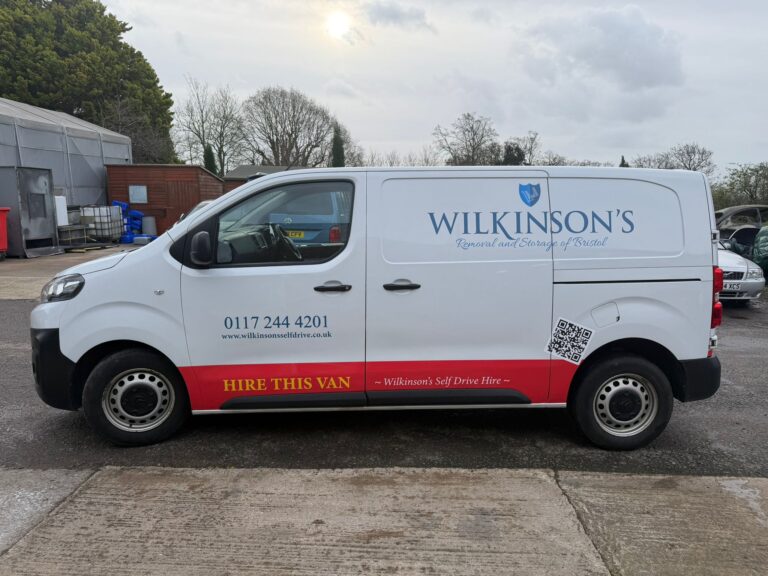
right van size for moving a student room, a lightly furnished studio, boxed possessions or one or two bulky purchases. Wilkinsons’ medium panel vans have an approximate load length of 3.3 metres, load height of 1.9 metres and load width of 1.8 metres. These dimensions make them useful when you need meaningful cargo space but still want a relatively approachable vehicle.
This option can also suit customers taking possessions into storage, collecting flat-pack furniture or moving business equipment. For these jobs, the
right van size for moving may be a medium model if the distance is short and you do not mind completing more than one trip.
However, several journeys are not always economical. Add up the travel time, loading time and fuel before assuming that a smaller van will cost less. Our guide to
keeping van hire costs down explains why correct sizing and efficient loading can make a significant difference.
When to Choose a Large Panel Van
A large panel model may be the
right van size for moving from a small home or transporting several pieces of furniture with numerous boxes. It offers more usable length than a medium van but retains the familiar enclosed shape of a panel vehicle.
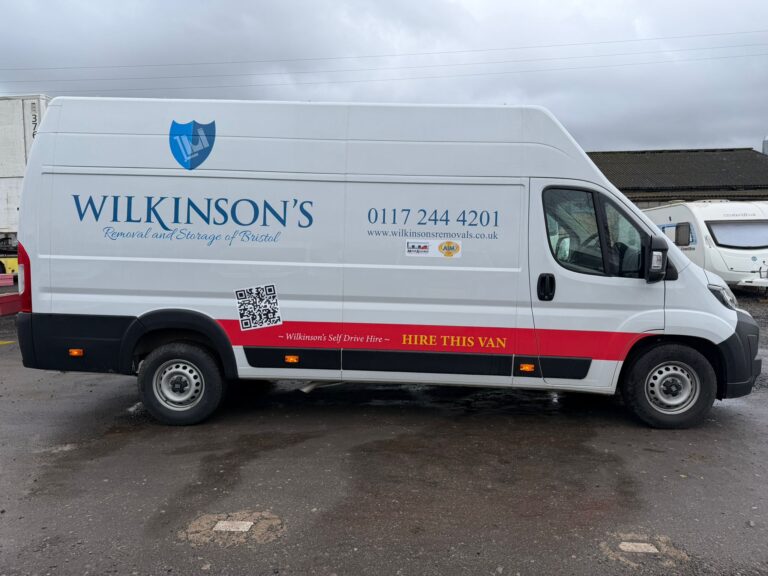
Wilkinsons’ large panel vans provide an approximate load length of 4.3 metres, load height of 1.9 metres and load width of 1.8 metres. That additional metre of length can be valuable when carrying long furniture or trying to reduce the number of journeys.
Drivers must still allow for the van’s external size. A longer wheelbase changes the turning circle and makes parking more demanding. Check the roads, gates, driveways and loading areas at both ends before booking. The
right van size for moving may be a large panel model if its extra capacity avoids a complete second trip.
When a Luton Van Makes Sense
A Luton is often the
right van size for moving the contents of a furnished flat or house. Its box-shaped body provides straighter walls and generous height, making it easier to organise furniture and stack suitable boxes. The space extending above the cab also offers additional capacity.
Different Luton designs suit different priorities. For some customers, the
right van size for moving must also provide easier loading. A tail-lift model can help raise appliances and other heavy items to floor level, while a low loader uses a lower floor and rear step or ramp.
Wilkinsons’ Luton options range from an approximate 16 cubic metres for the tail-lift model to around 24 cubic metres for a low loader and 30 cubic metres for the high-roof low loader. Payload does not rise in direct proportion to volume, so a larger body does not mean unlimited carrying weight. Our guide to
Luton van hire in Bristol explains when stepping up to this type of vehicle is worthwhile.

Do Not Confuse Load Volume with Payload
Choosing the
right van size for moving requires attention to two different limits. Load volume is the physical space inside the vehicle. Payload is the maximum weight the van can legally carry, including the load and anything else covered by the manufacturer’s calculation.
Light but bulky belongings may fill the load area before reaching the payload. Dense loads such as books, tiles, tools, machinery or boxed paperwork can reach the weight limit while visible space remains. Never assume that an item can be added simply because there is room for it.
If your move contains an unusually heavy quantity of books, appliances, commercial stock or building materials, tell the hire team what you intend to carry. Spreading an excessive load across extra journeys is safer than overloading the vehicle.
Consider Access Before Choosing the Largest Van
The
right van size for moving must work outside the property as well as inside the load bay. Bristol contains narrow residential streets, restricted parking, low branches and busy areas where positioning a long vehicle can be difficult.
Before booking, check:
- Whether the van can enter the road and turn safely
- Parking restrictions or permits at both properties
- Vehicle height limits in car parks, arches and loading areas
- The distance between the vehicle and each doorway
- Whether gates, driveways or parked cars restrict access
- How much room is needed behind the van for a ramp or tail lift
A larger van that must park far from the door may be less useful than a smaller model that can stop close to the property. Allow for the external dimensions shown on the fleet page, not only the cargo measurements.
Plan How the Load Will Fit
Once you have shortlisted the
right van size for moving, sketch a basic loading order. Place large, sturdy items first and use suitable straps or securing points to prevent movement. Position fragile belongings where they will not have heavy items stacked against them. Mattresses, headboards and other flat pieces can sometimes be placed along a side, while soft bags may fill otherwise unusable gaps.
Dismantle furniture where practical, keep fittings in labelled bags and protect finished surfaces. Avoid creating unstable towers of boxes simply to save space. A slightly larger van is preferable if using the smaller option would require unsafe stacking or leave belongings unsecured.
Good preparation also saves paid hire time. Have boxes closed, furniture dismantled and helpers ready before collecting the vehicle. You can then load efficiently rather than packing while the van waits outside.
Could Man and Van or Removals Be Better?
Even when you identify the
right van size for moving, self-hire may not be the right service. A suitable vehicle still leaves you responsible for driving, lifting, route planning and returning the van. If you have no reliable helpers, cannot move heavy furniture safely or feel uncomfortable driving the required vehicle, paid assistance may offer better value.
A man-and-van service can suit smaller moves where you need a driver and an additional pair of hands. A removals company may be more appropriate for a large household, specialist possessions, difficult access or a time-sensitive relocation. Our detailed comparison of
van rental vs man and van vs removals companies can help you decide which level of support is justified.
A Final Van Size Checklist
Before confirming the
right van size for moving, ask yourself:
- What are the longest, widest and tallest items?
- How many boxes and smaller belongings must fit around them?
- Can large furniture be dismantled?
- Is the load unusually heavy for its size?
- Would a smaller van require another complete journey?
- Can the chosen vehicle access and park at both properties?
- Are there height restrictions along the route?
- Do you have enough people to load and unload safely?
- Are you confident driving a van of this size?
- Have you allowed enough hire time for loading, travel, fuel and return?
Choose Your Van with Wilkinsons Self Drive
Selecting the
right van size for moving means balancing capacity, payload, access, journey count and driving confidence. A medium panel van may be ideal for a compact move, a large panel van can offer a useful step up, and a Luton may provide the box-shaped capacity needed for a more substantial household.
Use the inventory and measurements you have gathered to compare the vehicles, then
rent a van for your chosen dates. If you are unsure about dimensions, payload or suitability, check our
FAQs or
contact us. The Wilkinsons Self Drive team will be happy to discuss the practical details before you book.