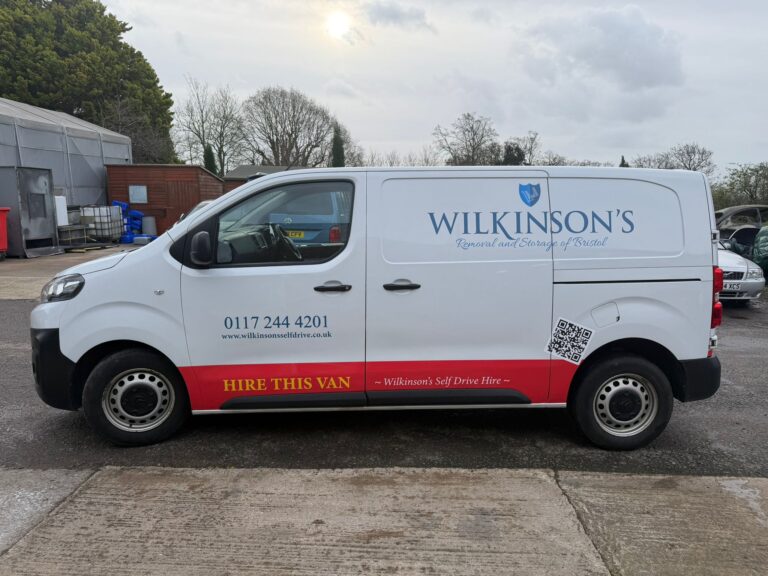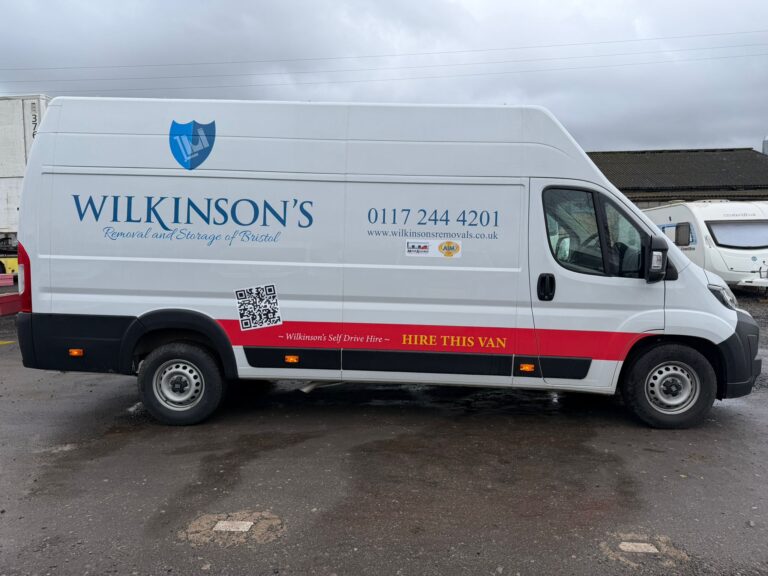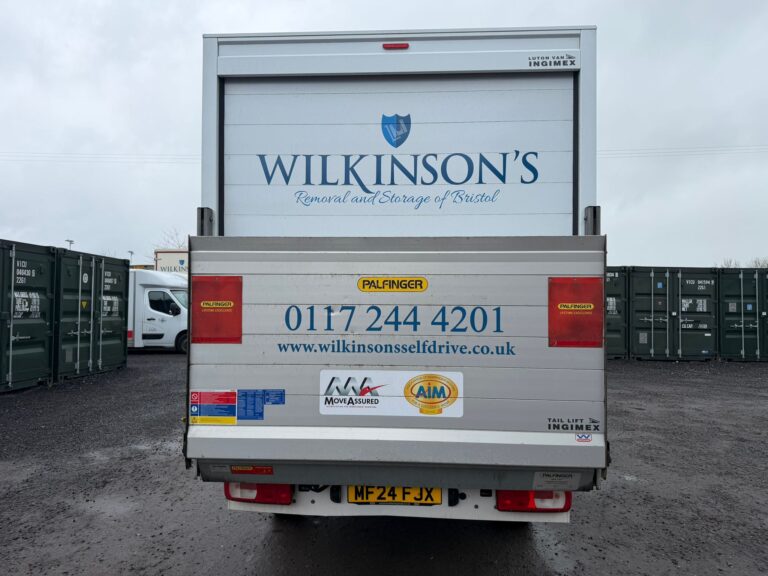


At Wilkinsons Self Drive in Bristol, we understand that driving a hire van for the first time can feel unfamiliar. You might be comfortable behind the wheel of your car but less certain about reversing a longer vehicle, judging its width or carrying a load of furniture.
A little preparation makes a big difference. Get familiar with the vehicle before setting off, allow yourself plenty of time and plan around its dimensions. Whether you are moving home or collecting a purchase, these practical steps will help you approach the journey with confidence.
Check your licence and hire requirements
A standard category B car licence generally covers conventional vans with a maximum authorised mass of up to 3,500kg. Check your entitlement for the specific vehicle. GOV.UK
Hire eligibility is a separate matter. Ask about age requirements, how long you must have held your licence, required documents and any restrictions relating to endorsements.
Confirm who is authorised to drive. A friend helping with the move should not take the wheel unless they are approved under the hire agreement.
Get comfortable before leaving
Allow time at collection to adjust the seat and mirrors and locate the controls. Check how to operate the lights, wipers, demister, parking brake and reverse gear.
Ask about anything unfamiliar. Knowing where a control is before you need it is much easier than searching while driving.
Walk around the van and make sure any existing damage is recorded. Confirm the fuel type, return arrangements and what to do if the vehicle develops a problem.
Once you set off, choose a straightforward route where possible. Give yourself time to become familiar with the steering, brakes and visibility before tackling a tight parking space.
Know the height, width and length
A route that works perfectly well in your car may be unsuitable for a van. Low car park entrances, height barriers and overhanging structures need particular attention.
Ask for the vehicle’s overall height and keep it somewhere you can check while stationary. Confirm its width, including mirrors, and remember that a Luton-style body may be wider than the cab.
Never guess whether you will fit beneath a barrier. If clearance is uncertain, stop somewhere safe and find another option.
The van’s extra length also affects turns. Rear wheels follow a tighter path than the front wheels, so watch clearance around kerbs, gateposts and parked vehicles. Take corners slowly without swinging into another road user’s space.
Use your mirrors and allow for blind spots
Many vans have no useful view through the rear of the vehicle. Your side mirrors become particularly important, but they cannot show everything.
Check carefully before pulling away, changing lanes or turning. Pay particular attention to cyclists and pedestrians alongside the vehicle.
Do not assume that a higher seating position gives you a complete view. Someone close to the front, side or rear may still be hidden.
Keep mirror checks frequent and avoid hurried manoeuvres. If you cannot establish that a movement is safe, wait.
Remember that van speed limits can differ
For most goods vans up to 7.5 tonnes, without a trailer, the national limits in England are 50mph on single carriageways, 60mph on dual carriageways and 70mph on motorways. Lower signed limits still apply. Car-derived vans and dual-purpose vehicles can have different rules, so confirm your vehicle’s classification.
A national speed limit sign therefore does not necessarily mean you can drive at the same speed as in your car.
Load carefully before you drive
The van’s maximum permitted weight includes the vehicle, people, fuel and load. Individual axle limits also apply. Keep heavier items low, distribute weight appropriately and use suitable restraints.
Plenty of empty space does not prove that you have spare weight capacity. Books, tools and appliances can create a heavy load surprisingly quickly.
Furniture blankets protect surfaces, but they do not hold belongings in place. Use suitable straps and anchorage points, and check the load again after making deliveries or removing items.
Drive smoothly, leave a generous following distance and approach bends early. Allow extra time for the journey, especially in poor weather.
Take reversing and parking slowly
Choose parking that gives you room to manoeuvre and unload. A slightly longer walk may be preferable to squeezing into a space with very little clearance.
Before reversing, check all around the vehicle. Move slowly and continue watching for anyone entering your path. Cameras and sensors are useful aids, but they do not replace observation.
If you cannot see clearly, stop. Get out to check when safe, or use a competent helper positioned safely where you can see them. Agree clear signals and stop immediately if they disappear from view. Never allow anyone to stand between the moving van and an obstruction. GOV.UK
Plan your Bristol journey
Check access at both ends before collecting the van. Ask about gates, narrow entrances, loading areas and any restrictions at the property.
Build time into your booking for traffic, carrying items downstairs, refuelling and returning the vehicle. Check whether your route involves any applicable clean air or other road charges.
Having a realistic schedule makes it easier to drive patiently and deal with unexpected delays.
Frequently asked questions
Is a hire van difficult to drive?
It can feel unfamiliar initially, particularly when judging its dimensions. Choose a suitable vehicle, take time to understand the controls and begin with straightforward driving. Tell us beforehand if this is your first experience of driving a van.
Can I rely on the reversing camera?
No. A camera may not show every obstruction or someone approaching from the side. Use it alongside mirrors and direct observations, and stop if you are uncertain about clearance.
Can I park a van in a normal car park?
Only if the vehicle fits and the car park permits it. Check entrance height, bay size, manoeuvring space and any vehicle restrictions. Remember to check the exit route too.
What happens if I damage the hire van?
Stop safely and follow the incident procedure in your agreement. Contact the hire company promptly. Before collecting the vehicle, understand the insurance excess and any exclusions, including how overhead damage is treated.
Should I choose the smallest van available?
Choose the smallest vehicle that safely suits your load and journey. A van that is too small may create extra trips, while an unnecessarily large vehicle can make access harder. Discuss both load dimensions and weight before booking.
Arrange your first van hire with Wilkinsons Self Drive
Contact Wilkinsons Self Drive in Bristol with details of what you are moving and where you need to go. Let us know if you are hiring a van for the first time so you can raise any questions before collection.
With a suitable vehicle, a secure load and enough time, you can concentrate on getting the job done safely.